What an electrician checks before installing a Bay Area EV charger
Why a site assessment matters
Adding an electric vehicle charger to a home or business in San Jose is more involved than simply mounting a box on the wall. Before any equipment arrives, an electrician needs to evaluate the property to confirm that the electrical system can handle the new load, that the installation will meet local codes, and that the charger will perform reliably for years. This upfront assessment saves time, prevents costly surprises, and ensures the final setup is safe and efficient. For anyone planning a Bay Area EV charger installation, understanding what that assessment covers helps you prepare and ask the right questions.
Reviewing the existing electrical panel
The heart of the evaluation is the main service panel. An electrician checks the panel's amperage rating - typically 100, 125, or 200 amps for a home - and calculates how much spare capacity remains after accounting for existing loads like lighting, appliances, and HVAC. A Level 2 charger can draw 30 to 50 amps, so the panel must have enough headroom to supply that current without tripping the main breaker. If the panel is full or nearly full, the electrician may recommend a sub-panel or a service upgrade. They also inspect the panel for signs of wear, corrosion, or improper modifications that could create a fire risk. Older panels with obsolete breaker designs may need to be replaced entirely.
Evaluating the property layout and conduit route
Where the charger will sit relative to the panel determines the length and complexity of the conduit run. The electrician walks the property to identify the shortest, safest path for the wiring. They look for obstacles such as finished walls, concrete slabs, landscaping features, or underground utilities. In many San Jose homes, the panel is in a garage or on an exterior wall, which simplifies the run. But when the panel is in a basement or on the opposite side of the house, the conduit may need to go through crawl spaces, attic spaces, or be buried underground. Each route has different material and labor requirements, and the electrician factors that into the overall plan. They also check for existing conduit or raceways that might be reused, though code often requires a dedicated circuit for EV charging.
Confirming the utility connection and meter setup
The electrician verifies how the property connects to the utility grid. Some older homes have a 60-amp service that cannot support a Level 2 charger without a major upgrade. In other cases, the meter base or the service entrance cable is undersized for the additional load. The electrician coordinates with the local utility if a service upgrade is needed, because that work involves shutting off power to the whole property and may require a permit and inspection. For a Bay Area EV charger installation, the utility may also have specific requirements for time-of-use metering or load management devices that can automatically reduce charger output during peak demand. The assessment determines whether those features are advisable.

Checking for permit and inspection requirements
San Jose and most Bay Area jurisdictions require a permit for any new dedicated circuit and EV charger installation. The electrician reviews the local building department's rules, which can vary from city to city. They confirm that the planned work meets the current version of the National Electrical Code, particularly Article 625, which covers EV charging equipment. This includes requirements for a dedicated branch circuit, a GFCI-protected breaker (in some locations), and proper grounding. The electrician also plans for the inspection visit, making sure the work will be accessible for the inspector to see the conduit, connections, and labeling. Skipping the permit can lead to fines, insurance issues, and trouble when selling the home, so a thorough assessment always addresses compliance.
Assessing the charger location and mounting surface
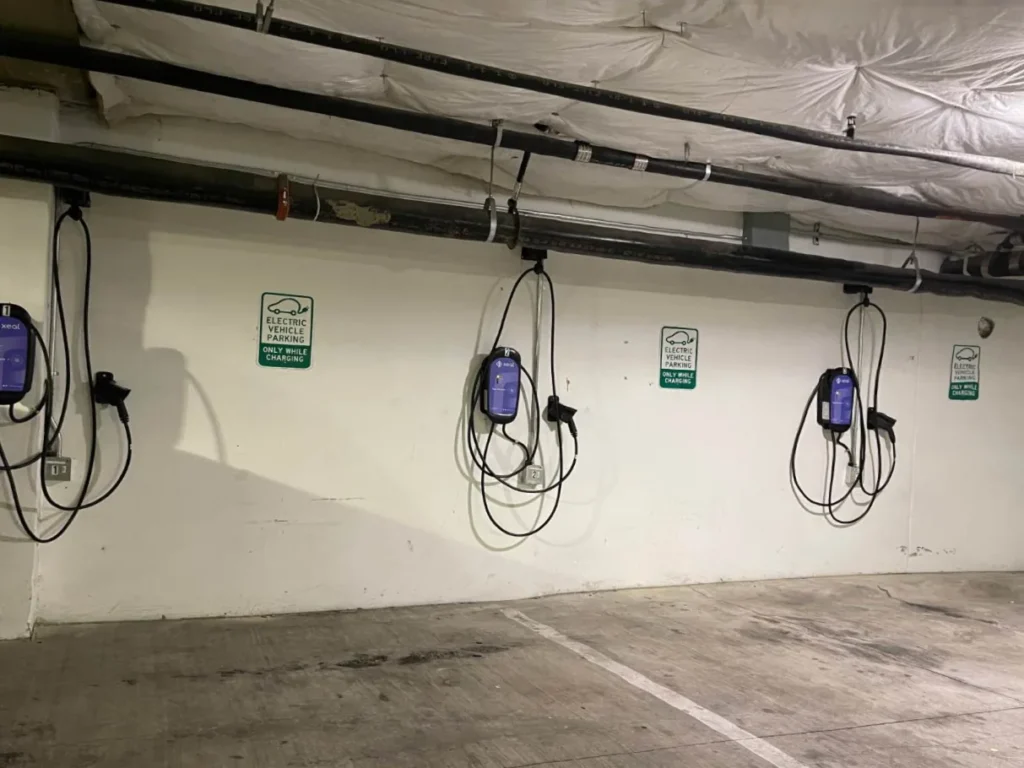
Not every wall is suitable for mounting a charger. The electrician checks the surface material - drywall, brick, concrete, or wood - and confirms it can support the charger's weight plus the tension from the charging cable. They also consider the cable length and where the vehicle's charge port sits. A charger mounted too far from the parking spot forces the driver to stretch the cable or park awkwardly. The ideal location keeps the cable off the ground, away from pedestrian paths, and protected from vehicle bumps. For a commercial site, the assessment may involve multiple parking spaces, bollards, and signage. The electrician also checks for nearby water sources, sprinkler heads, or drainage areas that could affect the equipment's weather rating.
Getting professional San Jose charging support during this planning stage makes a real difference. An experienced electrician spots issues that a homeowner might miss, such as a shared neutral on a multi-wire branch circuit or a panel that is already near its thermal limit. They can also advise on the right charger model for the property's electrical capacity and the owner's driving habits. That upfront guidance prevents the frustration of buying a charger that cannot be installed without expensive panel work or that requires a longer conduit run than expected.
Understanding the load calculation and potential upgrades
A proper load calculation is the most technical part of the assessment. The electrician adds up all the continuous and non-continuous loads in the home, applies demand factors from the code, and compares the total to the panel's rating. If the calculated load plus the charger's draw exceeds 80 percent of the panel's capacity, the installation cannot proceed without changes. The options include upgrading the main service to 200 amps, installing a load management system that shares power between the charger and other heavy loads, or choosing a lower-power charger. For many Bay Area homes built before 2000, a service upgrade is common. The electrician explains the trade-offs: a 200-amp service costs more upfront but leaves room for future electric appliances, while a load management system is cheaper but may limit charging speed when other appliances are running.
Planning for future-proofing and smart features
Even if the immediate goal is a basic charger, the assessment considers what the owner might want later. Many modern chargers offer Wi-Fi connectivity, scheduling, and load balancing. The electrician checks whether the property has a stable Wi-Fi signal at the charger location, or whether a wired Ethernet connection or a cellular backup would be better. They also evaluate the conduit size: a larger conduit can accommodate thicker wires for a future higher-amperage charger, saving the cost of re-running conduit later. For commercial properties, the assessment might include planning for multiple chargers and the associated load management system. Thinking ahead during the assessment avoids having to tear open walls or dig up landscaping a few years down the road.
If you are considering a charger installation, the value of professional San Jose charging support shows in the details. The electrician does not just run wire - they evaluate the whole electrical ecosystem of the property. They verify grounding, check for bonding at the sub-panel, confirm that the neutral is isolated where required, and test the voltage and frequency stability. These steps ensure the charger operates efficiently and does not interfere with sensitive electronics in the home. A thorough assessment also documents the existing conditions, which helps if any issues arise during or after the installation.
What the assessment means for you
For the homeowner or business owner, the assessment provides a clear picture of what the installation will involve, how much it will cost, and how long it will take. It also highlights any preparatory work you can do, such as clearing the area around the panel or marking underground sprinkler lines. The electrician will give you a written estimate that itemizes the panel work, conduit, wiring, charger mounting, and permit fees. You can then compare that to the budget and decide whether to proceed. A good assessment also builds trust - you know the installer has looked at everything and is not going to hit you with surprises halfway through the job.

Ultimately, the assessment turns a vague idea into a concrete plan. It answers questions like: Can my panel handle a 50-amp charger? Do I need a service upgrade? Where should the charger go? What permits do I need? And how long will the whole process take? For anyone in the Bay Area looking to add an EV charger, starting with a professional evaluation is the smartest first step. It saves time, money, and frustration, and it ensures the charger you install will work safely and reliably for as long as you own the property.